AI makes formal verification more important. Here is why
AI makes formal verification more important, not less. See why AI-assisted engineering needs mathematical proof, not just testing, to stay safety-critical.


Verification and validation are critical processes in rail control projects. Verification ensures that the system meets the specified requirements and design, while validation ensures that the system meets the user’s needs and operates as intended. Both processes involve testing, analysis, and documentation to ensure safety and reliability in railway operations.

AI makes formal verification more important, not less. See why AI-assisted engineering needs mathematical proof, not just testing, to stay safety-critical.

Prover and BHEPL are bringing Signaling Design Automation to India’s rapidly growing railway sector. By automating data preparation and verification for KAVACH and other rail systems, the partnership aims to reduce engineering effort, improve accuracy, and accelerate safe system delivery.

CentraleSupélec students explored the full lifecycle of railway interlocking engineering during an intensive week with Prover. Using Prover Studio and Prover iLock, they worked with signaling design, safety requirements, formal verification, testing, and simulation in a hands-on railway project.

EN 50716 (the successor to EN 50128/EN 50657) sets the software development and verification expectations for railway applications, clarifying how formal methods and tool qualification contribute to a robust safety case. This session takes a practitioner’s view of applying that framework to real systems and on‑board functions.

Formal Safety Verification provides a more rigorous way to ensure the safety of increasingly complex rail control systems. By combining mathematical proof, automation, and digital twins, it enables complete safety coverage, earlier issue detection, and reliable evidence for certification.
With recent advances in AI, we can make SDA more accessible to the rail control community.Our goal is to simplify SDA and Formal Methods, and in this webinar, we will demonstrate how AI enables us to achieve this.
Watch the expert-led session to discover how Formal Safety Verification helps eliminate safety risks early and ensure CENELEC-compliant rail systems.

Prover Station is a comprehensive platform designed to meet the most demanding requirements of the railway and metro signaling industry

With the launch of Prover Station as our next-generation platform, we meet the increasing demands of simulation and scenario exploration in the railway industry.

Learn how to ensure the safety and compliance of your rail control system from the outset with the power of automation and Formal Verification. Our guide provides insights into overcoming common challenges in developing safety-critical rail control software, replacing manual steps with a fully automated verification process based on mathematical proofs.
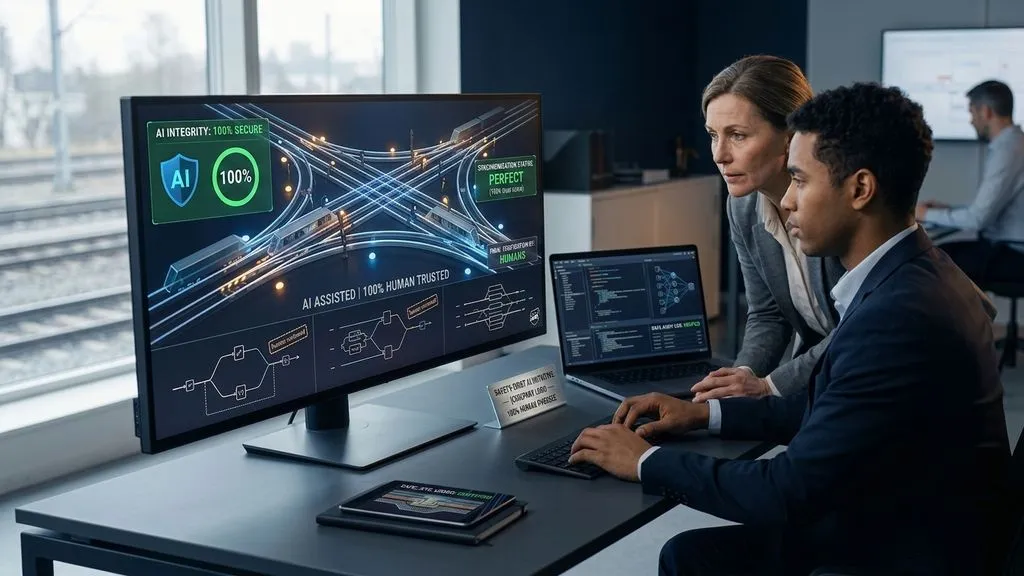
AI makes formal verification more important, not less. See why AI-assisted engineering needs mathematical proof, not just testing, to stay safety-critical.

Prover and BHEPL are bringing Signaling Design Automation to India’s rapidly growing railway sector. By automating data preparation and verification for KAVACH and other rail systems, the partnership aims to reduce engineering effort, improve accuracy, and accelerate safe system delivery.
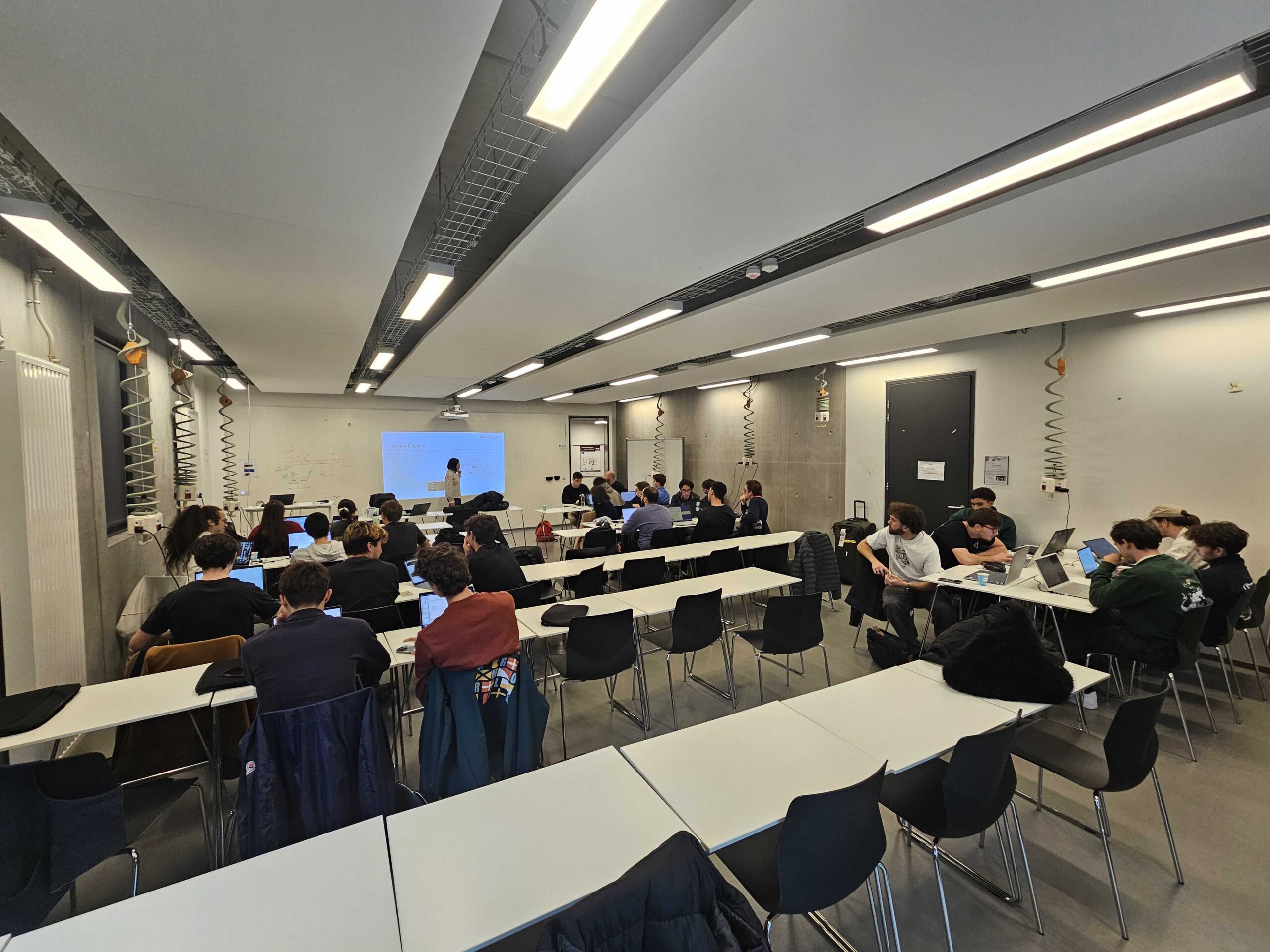
CentraleSupélec students explored the full lifecycle of railway interlocking engineering during an intensive week with Prover. Using Prover Studio and Prover iLock, they worked with signaling design, safety requirements, formal verification, testing, and simulation in a hands-on railway project.

EN 50716 (the successor to EN 50128/EN 50657) sets the software development and verification expectations for railway applications, clarifying how formal methods and tool qualification contribute to a robust safety case. This session takes a practitioner’s view of applying that framework to real systems and on‑board functions.
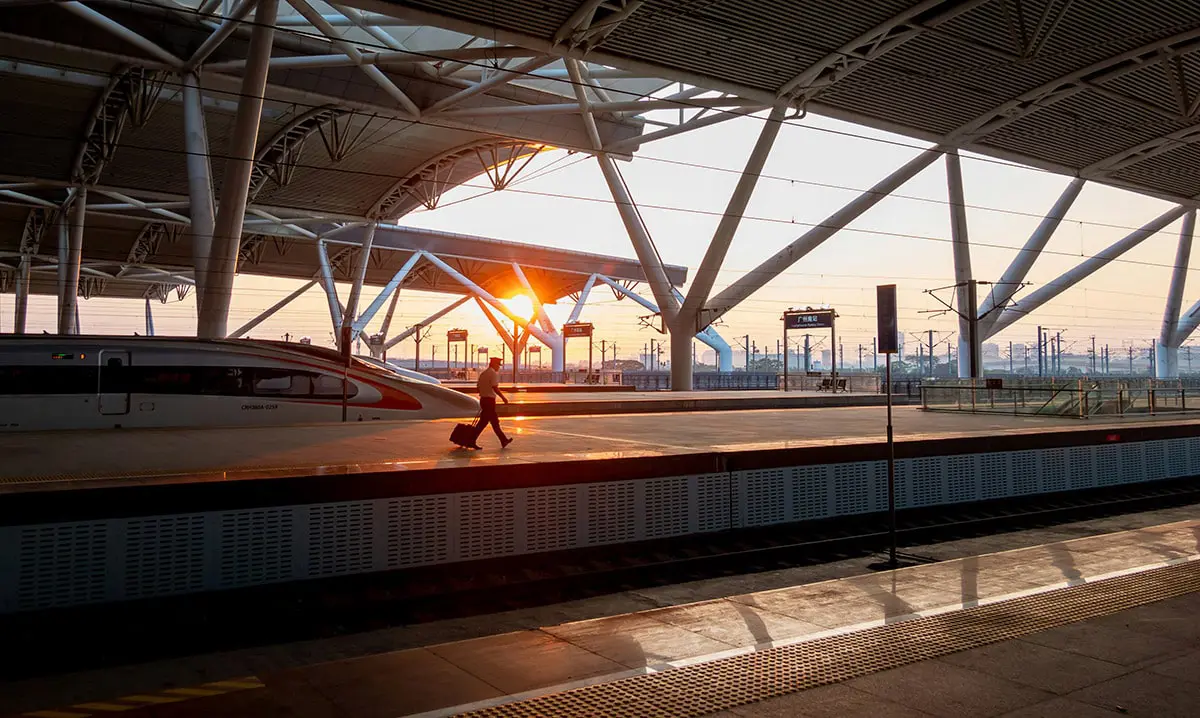
Formal Safety Verification provides a more rigorous way to ensure the safety of increasingly complex rail control systems. By combining mathematical proof, automation, and digital twins, it enables complete safety coverage, earlier issue detection, and reliable evidence for certification.
With recent advances in AI, we can make SDA more accessible to the rail control community.Our goal is to simplify SDA and Formal Methods, and in this webinar, we will demonstrate how AI enables us to achieve this.

Watch the expert-led session to discover how Formal Safety Verification helps eliminate safety risks early and ensure CENELEC-compliant rail systems.

Prover Station is a comprehensive platform designed to meet the most demanding requirements of the railway and metro signaling industry

With the launch of Prover Station as our next-generation platform, we meet the increasing demands of simulation and scenario exploration in the railway industry.

Learn how to ensure the safety and compliance of your rail control system from the outset with the power of automation and Formal Verification. Our guide provides insights into overcoming common challenges in developing safety-critical rail control software, replacing manual steps with a fully automated verification process based on mathematical proofs.
Fill out your information here.
Explore the railway solutions, start with a focused engagement, or discuss how Prover can support your functional safety lifecycle.
And 100% secure system.





© 2026 Prover Technology AB All Rights Reserved
© 2026 Prover All Rights Reserved


