Turn unreliable signaling data into a trusted engineering baseline
Configuration and application data often move through fragmented spreadsheets, local formats, and manual workflows.
Prover helps railway teams structure, validate, and verify signaling data so it can be trusted for simulation, V&V, automation, acceptance, and lifecycle change.
From scattered inputs to a decision-ready baseline
Spreadsheets
Structured model
Local formats
Validation findings
Manual checks
Rule-aligned outputs
Unclear rules
Traceable baseline
When signaling data cannot be trusted, risk moves downstream
Modern rail control systems depend on correct configuration and application data. But when data is created, exchanged, and corrected manually, quality issues often surface late – where they are harder and more expensive to fix.
Late issue discovery
Errors appear during integration, FAT, SAT, commissioning, or certification.
Manual engineering overload
Teams spend capacity checking data instead of improving engineering outcomes.
Weak simulation confidence
Digital twins and V&V are only as reliable as the data behind them.
Supplier alignment problems
Different formats, assumptions, and interfaces create delivery friction.
Rework and delays
Configuration issues create downstream schedule and acceptance risk.
Safety-critical uncertainty
Data risks may lack rigorous validation, traceability, and review evidence.
Data preparation is not administration.
It is safety-critical engineering.
Prover connects requirements, modeling, implementation, verification, and lifecycle change into one more controllable engineering logic.
Level 0 — Create the truth
Trusted foundation
Create executable system understanding through models and digital twins that make behavior visible earlier.
Level 1 — Build and prove
Project execution
Use trusted data in models, simulation, verification, automation, and evidence generation.
Level 2 — Evolve safely
Lifecycle change
Reuse validated baselines for upgrades, migration, maintenance, and recurring change.
What you gain from trusted signaling data
A validated data foundation improves confidence before engineering, simulation, verification, acceptance, and lifecycle change.
Trusted engineering inputs
Use data with greater confidence across simulation, V&V, and delivery.
Earlier issue detection
Find gaps and inconsistencies before integration or acceptance.
Reduced manual effort
Replace repetitive checking with automated and repeatable workflows.
Better alignment
Clarify interfaces between IM data, supplier tools, and configuration needs.
Stronger traceability
Create outputs that support assurance, review, and certification workflows.
Foundation for automation
Prepare data for SDA, digital twins, formal verification, and migration.
For teams responsible for trusted signaling data
Infrastructure managers
Improve confidence in data used for procurement, digital twins, ERTMS/CBTC programs, supplier handover, modernization, and lifecycle change.
Suppliers & integrators
Reduce integration risk, improve data readiness, and make configuration data more reliable before verification, delivery, or acceptance.
Consultants & engineering firms
Assess data readiness, identify gaps, support customer decisions, and define a practical improvement roadmap.
Start from the data challenge you have today
Start from the data challenge you have today
Verify existing data
Use rule-based checks to validate static data quality and safety-critical consistency.
Can this dataset be used safely for the intended purpose?
Generate or refine data
Use rules and models to derive missing or improved data for a defined purpose.
Can we automate parts of data creation while reducing manual errors?
Prepare GA-aligned data
Create configuration data suited for generic application or SDA-based instantiation.
Applicable across modern rail control architectures
ERTMS / ETCS
Support standardized programs where national rules, data formats, and engineering requirements remain country-specific.
CBTC
Control data formats, interfaces, and requirements so multi-supplier environments behave consistently.
Interlocking & ATP
Validate infrastructure, routes, object placements, rules, and system-specific constraints.
Digital twins
Improve confidence in simulation and V&V by improving the reliability of the data behind the model.
Learn more about trusted signaling data
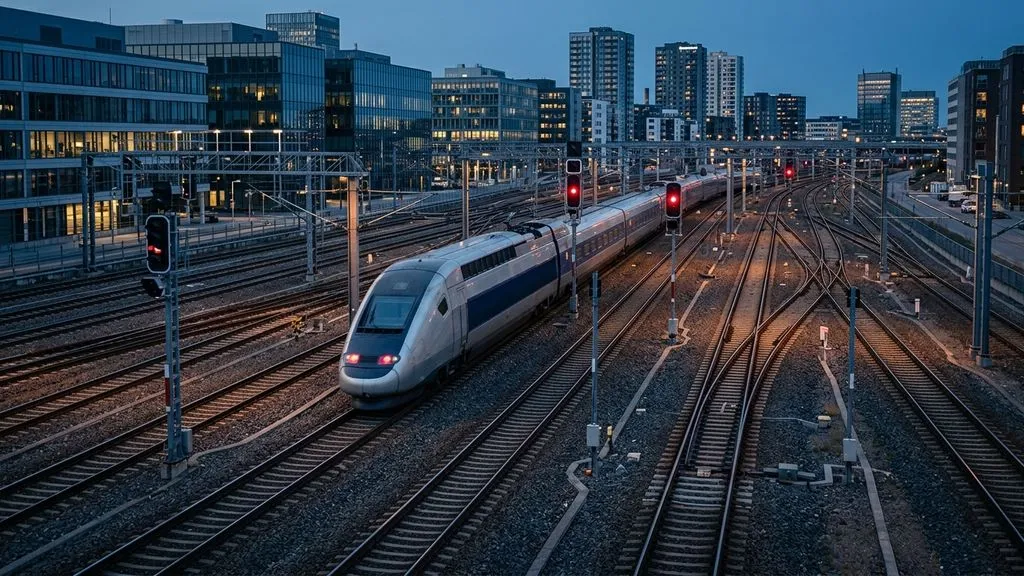
Learn how to turn fragmented signaling requirements, specifications, and engineering knowledge into a structured, traceable, and trusted baseline. This webinar explores how Requirement Engineering and Specification Intelligence create a stronger foundation for digitalization, verification, automation, migration, and AI-assisted engineering.
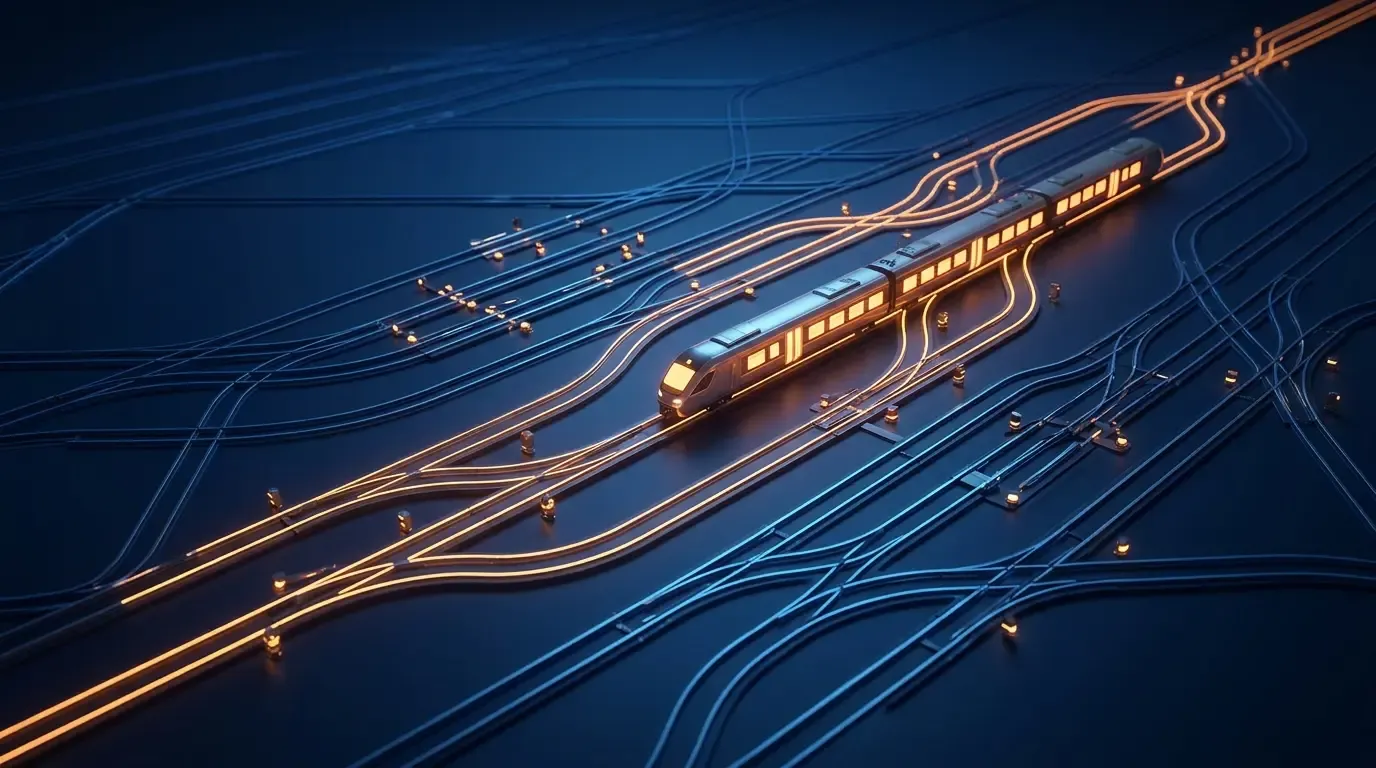
Learn how open signaling helps infrastructure managers reduce lifecycle costs, avoid vendor lock-in, and gain greater control of their signaling systems. This webinar explores how open standards, COTS-based architectures, and a competitive supplier ecosystem enable more flexible and sustainable railway signaling.

How can rail projects move beyond manual data preparation? In this webinar, we show how Signaling Design Automation and formal verification enable a more controlled, efficient, and verifiable approach to generating and validating application data.