Formal Safety Verification
Deliver 100% safe, compliant, and future-proof rail control systems without delays.
Why formal safety verification is now essential
Modern rail control systems are vastly more complex than ever before. A single interlocking or CBTC system may contain billions of possible states, far more than any traditional testing campaign could explore. Reviews and manual tests remain valuable, but they only show the presence of bugs, not their absence.
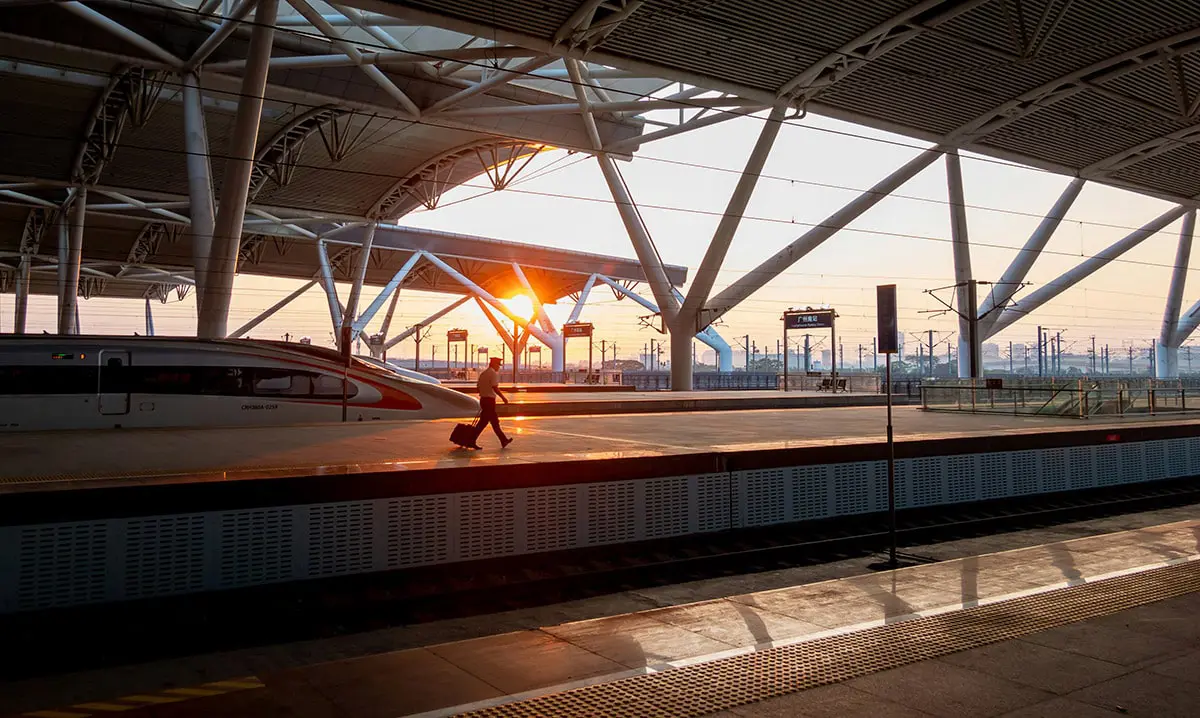
Rail control systems evolve, making safety verification more challenging
As the industry moves toward digitalized, software-driven signaling, the limitations of conventional verification grow increasingly risky. Safety requirements must be proven exhaustively, not sampled. A missed hazard or late-stage discovery can lead to project delays, costly redesigns, or even operational incidents.
Formal Safety Verification (FSV) changes the paradigm. Using mathematical proof and automation, it verifies system safety across all possible scenarios, ensuring no unsafe behavior exists.
What is formal safety verification?
Formal Safety Verification is a mathematical approach to proving that a rail control system satisfies every safety requirement in every possible operating state.
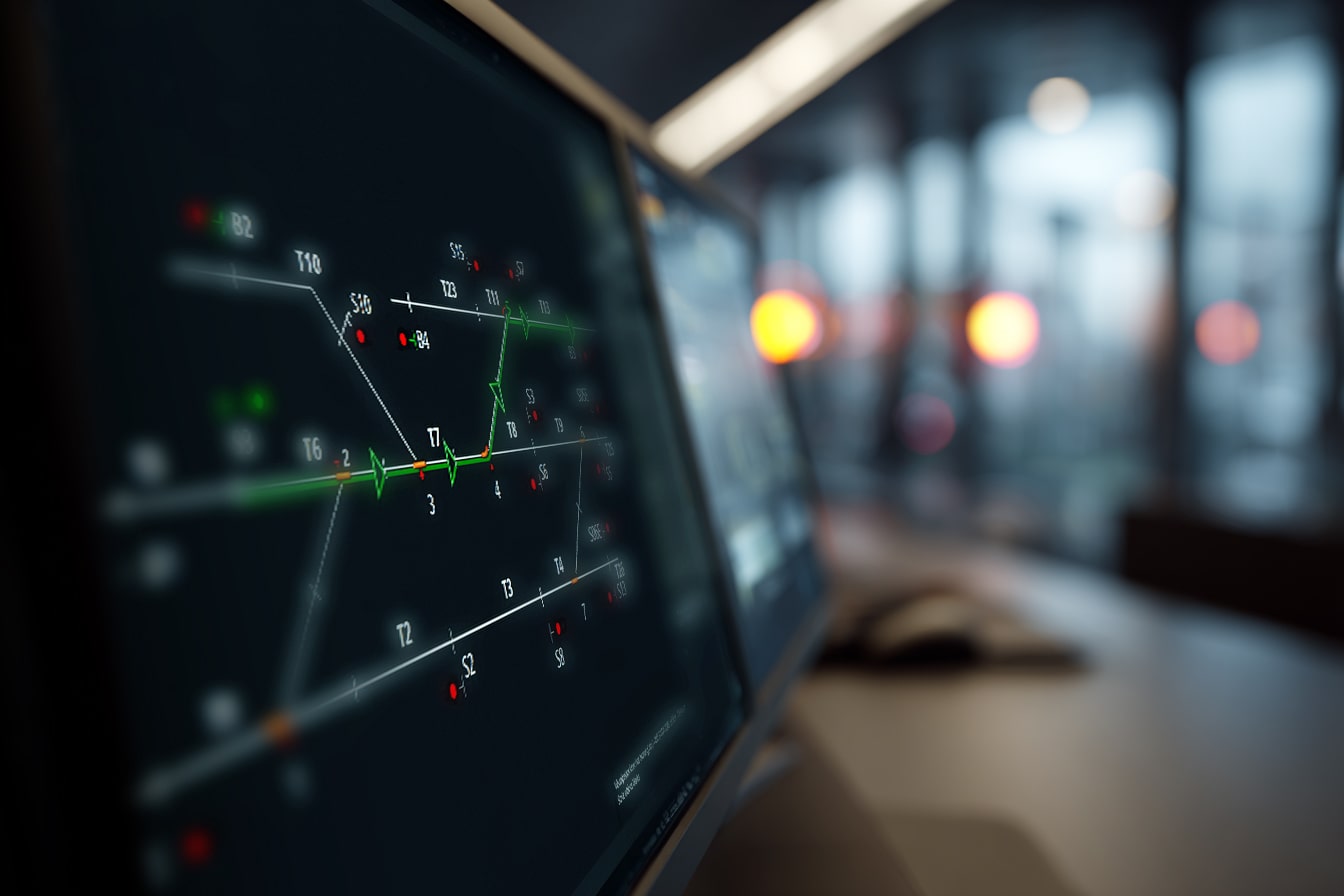
Instead of developing test scenarios based on experience or intuition, engineers build formal models and digital twins of the control system and verify them automatically using advanced model checkers.
This process provides:
A safety process based on hazards — not just requirements
Traditional EN 50126-based safety processes start by identifying hazards and defining mitigations, often expressed as SIL levels. Verification then focuses on showing that the implemented requirements meet the assigned SIL through testing and reviews.
Formal safety verification reverses this logic.
Instead of checking whether requirements were implemented correctly, FSV verifies directly against the hazards themselves:
This approach eliminates subjective interpretation, reduces expert dependency, and ensures that safety is validated where it matters most: in the system’s full behavioral logic.

Prover’s solution: Industrial-scale formal safety verification
Prover makes formal verification practical and scalable for real railway projects by combining proven methods with efficient industrial tooling.
Powered by Prover Diagnostic
At the core of the solution is Prover Diagnostic, a hazard-based formal verification solution that automates the generation of safety proofs.
It integrates:
This creates a complete digital twin in which:
The result is accurate, comprehensive, and reusable safety evidence.
Case studies
Proven across leading railway projects
Prover’s Formal Safety Verification is not experimental; it is field-proven in some of the world’s most demanding environments. Across these projects, formal methods have uncovered critical bugs missed by testing — demonstrating the necessity and practical value of FSV.
Stockholm Metro
System-level digital twins for both relay and computerized interlockings
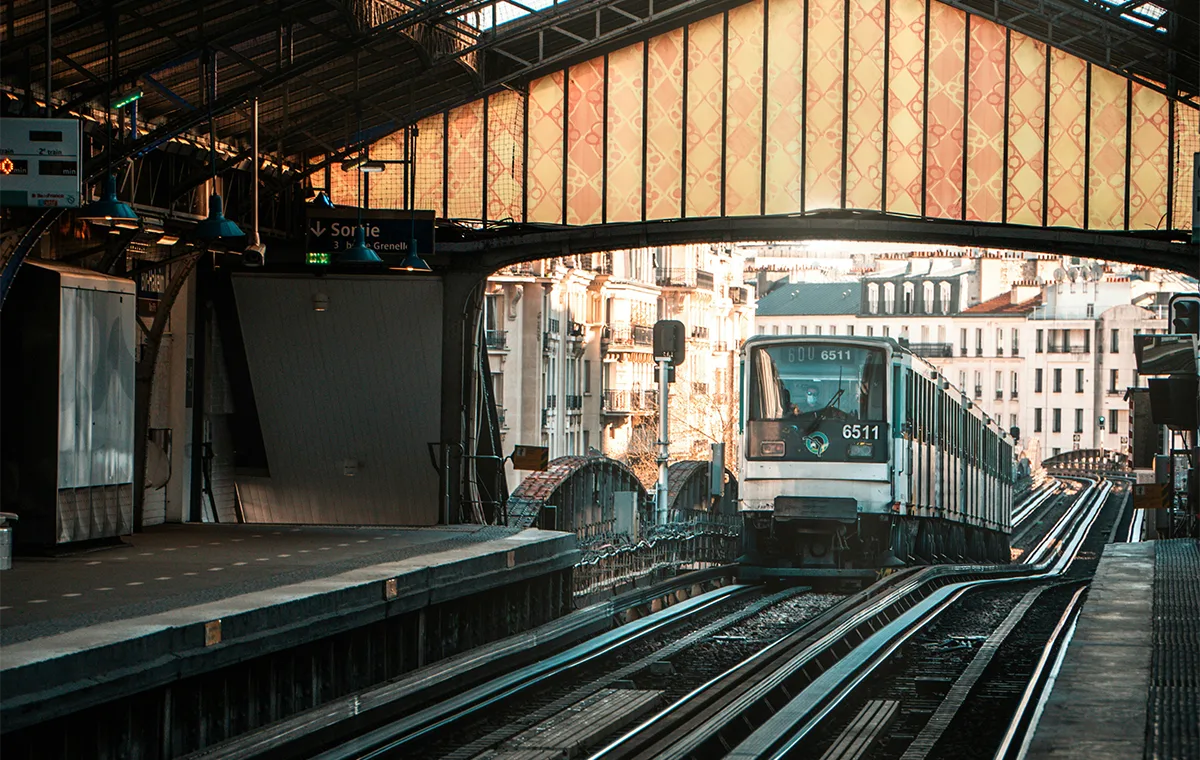
RATP (Paris Metro)
Hazard-based formal verification for CBTC systems from multiple suppliers
Alstom
Global integration of Prover PSL and Prover Certifier to produce automatic, exhaustive safety demonstrations
Key benefits
Ready to deliver safety with certainty?
Formal Safety Verification empowers rail engineers to deliver fully safe and compliant systems faster with confidence backed by mathematical proof.
Watch the on-demand webinar to see how Prover’s solution works and how real projects use formal methods to ensure uncompromising safety.

Our tools & process
Prover’s formal safety verification workflow starts by formalizing safety requirements, often derived from safety hazard analyses, in a language like HLL. System models are built, and automated model checking validates that all requirements are satisfied.
If an issue is found, the system generates counterexamples to aid debugging. The process concludes with formal safety evidence that supports certification efforts.
We support this with a powerful, integrated toolchain:


Take the first step toward improving your safety verification process.
Let’s explore how formal methods can benefit your systems:
- Review your current safety verification setup
- Identify gaps and opportunities
- Plan the path to full formal safety assurance
Fill out the form, and we’ll contact you to schedule a meeting.