
Manage signaling upgrades and maintenance with a living digital twin
Manage signaling upgrades and maintenance with a living digital twin
Railway signaling systems are never static. They are upgraded, modified, extended, corrected, and adapted throughout their lifecycle.
Prover helps railway teams use digital twins as living system baselines for safer upgrades, maintenance, and recurring change.
Use the digital twin as a living baseline for change
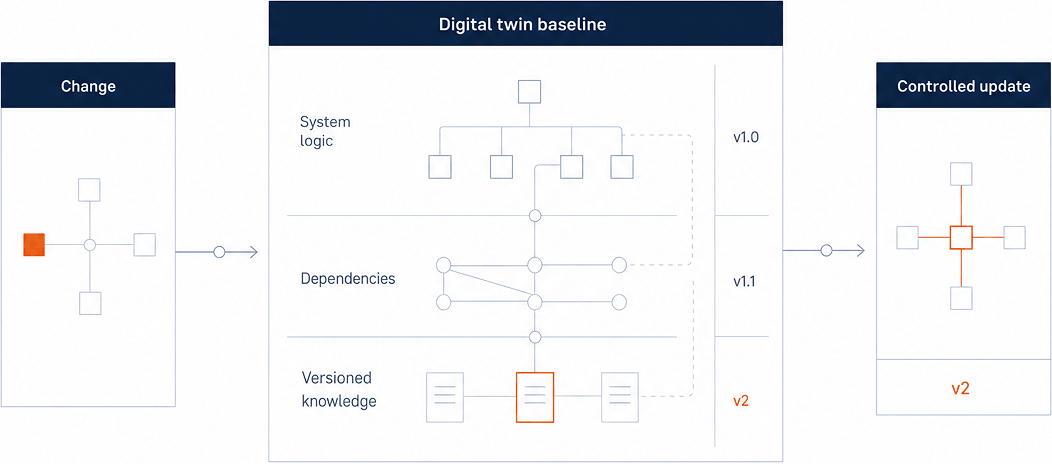
When the change impact is unclear, every upgrade becomes a risk
Modern railway signaling systems must evolve continuously. But when system knowledge is fragmented across documents, suppliers, tools, experts, and historical decisions, it becomes difficult to know what a proposed change will affect before it is implemented.
Unclear change impact
Teams struggle to assess what a proposed modification will affect early.
Regression risk
Previously accepted behavior can be hard to protect across updates and releases.
Repeated manual analysis
Engineering teams rediscover system behavior across every release or maintenance cycle.
Knowledge loss
Expert knowledge is lost when people retire, suppliers change, or project teams disband.
Inconsistent baselines
Maintenance records, system documentation, configuration data, and evidence drift apart.
Growing acceptance effort
Testing and acceptance workload grows with every modification and release.
Maintenance is not just upkeep. It is continuous safety-critical engineering.
For railway signaling, even a limited modification can affect routes, dependencies, interfaces, safety principles, configuration data, operational scenarios, or acceptance evidence. A living digital twin changes the logic by preserving a structured system baseline that supports impact analysis, simulation, verification, regression testing, documentation, and controlled release decisions.
Level 0 — Create the truth
Trusted foundation
Structure requirements, data, and signaling logic into a trusted baseline.
Level 1 — Build and prove
Project execution
Use models, simulation, verification, and evidence to support implementation and acceptance.
Level 2 — Evolve safely
Lifecycle change
Maintain, version, simulate, verify, and reuse the digital twin across upgrades and lifecycle change.
What you gain from system upgrades & maintenance based on digital twins
A living digital twin helps teams maintain confidence as signaling systems evolve.
Clearer change impact
Understand how proposed modifications affect signaling behavior, dependencies, interfaces, and downstream engineering before implementation.
Reduced regression risk
Use simulation, automated checks, and formal verification to confirm that changes do not break critical principles.
Better knowledge retention
Preserve structured knowledge about system logic, configuration, assumptions, and change history.
Faster maintenance decisions
Give engineering, operations, safety, and supplier teams a clearer basis for change decisions.
Stronger traceability
Connect change requests, baseline versions, simulation results, verification outputs, and decision records.
Less repeated manual effort
Avoid rebuilding system understanding from documents and expert memory every time a change is proposed.
For teams responsible for safe signaling change over time
Infrastructure managers
Maintain control over signaling assets across upgrades, maintenance, supplier changes, and long-term modernization.
Suppliers & integrators
Reduce release risk, support regression verification, and improve confidence when implementing modifications or delivering upgrades.
Consultants & engineering firms
Assess change impact, support lifecycle governance, document decisions, and define safer maintenance and upgrade workflows.
Start from the change challenge you have today
Start from the data challenge you have today
Change impact assessment
Use a digital twin to analyze how a proposed modification may affect signaling behavior, interfaces, configuration, or safety principles.
What will this change affect, and what must we re-test or re-verify?
Regression verification for releases
Use simulation and formal verification to verify that key principles and accepted behavior remain valid after an update.
Can we prove that this update has not introduced unwanted behavior?
Living baseline for maintenance
Maintain a versioned digital twin that captures the current system state and can be reused across future work.
Can we create a trusted digital baseline that helps us manage future changes?
Supplier handover and lifecycle control
Use a digital twin to improve knowledge transfer between suppliers, infrastructure managers, consultants, and maintenance teams.
Can we make system behavior and change history transparent enough to support long-term ownership?
Upgrade planning and modernization support
Use the digital twin to evaluate proposed upgrades, modernization steps, or intermediate migration states before field deployment.
Can we test and verify the upgrade path before we make changes in the real system?
Applicable across signaling lifecycle change
Interlocking systems
Analyze changes to routes, objects, logic, configuration, and dependencies before they affect field operation or acceptance.
CBTC and metro systems
Validate upgrades affecting interfaces, operational scenarios, capacity rules, degraded modes, or supplier releases.
ERTMS and ETCS programs
Support controlled lifecycle change across evolving data, interfaces, national rules, and release dependencies.
Traffic management and control systems
Validate changes before operational rollout where signaling logic, workflows, schedules, and interfaces interact.
Digital twins and synthetic environments
Turn the digital twin from a project model into a recurring lifecycle asset.
Migration and modernization programs
Evaluate intermediate states, verify changes, and preserve confidence across each transition step.
Learn more about safe lifecycle change
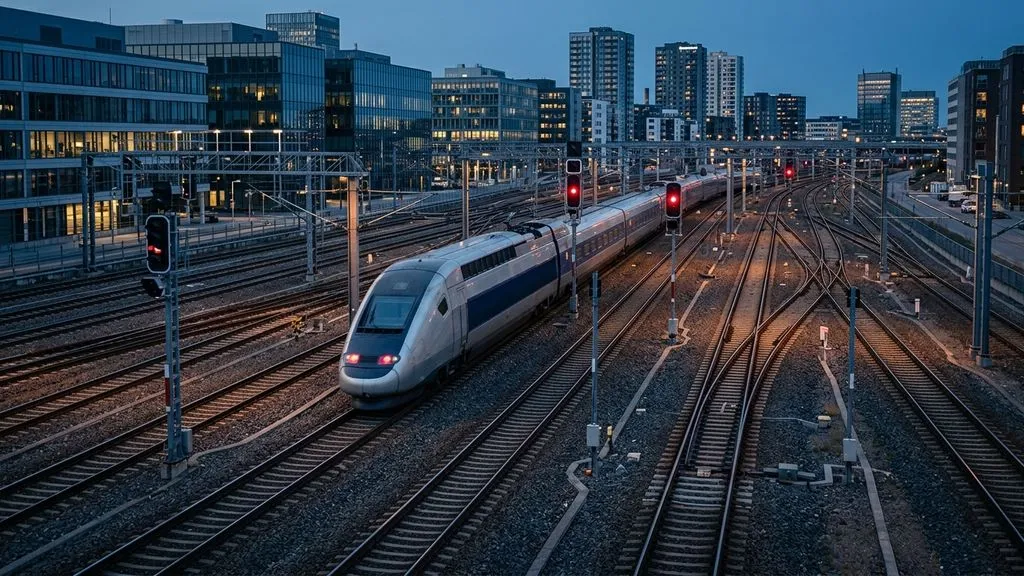
Learn how to turn fragmented signaling requirements, specifications, and engineering knowledge into a structured, traceable, and trusted baseline. This webinar explores how Requirement Engineering and Specification Intelligence create a stronger foundation for digitalization, verification, automation, migration, and AI-assisted engineering.
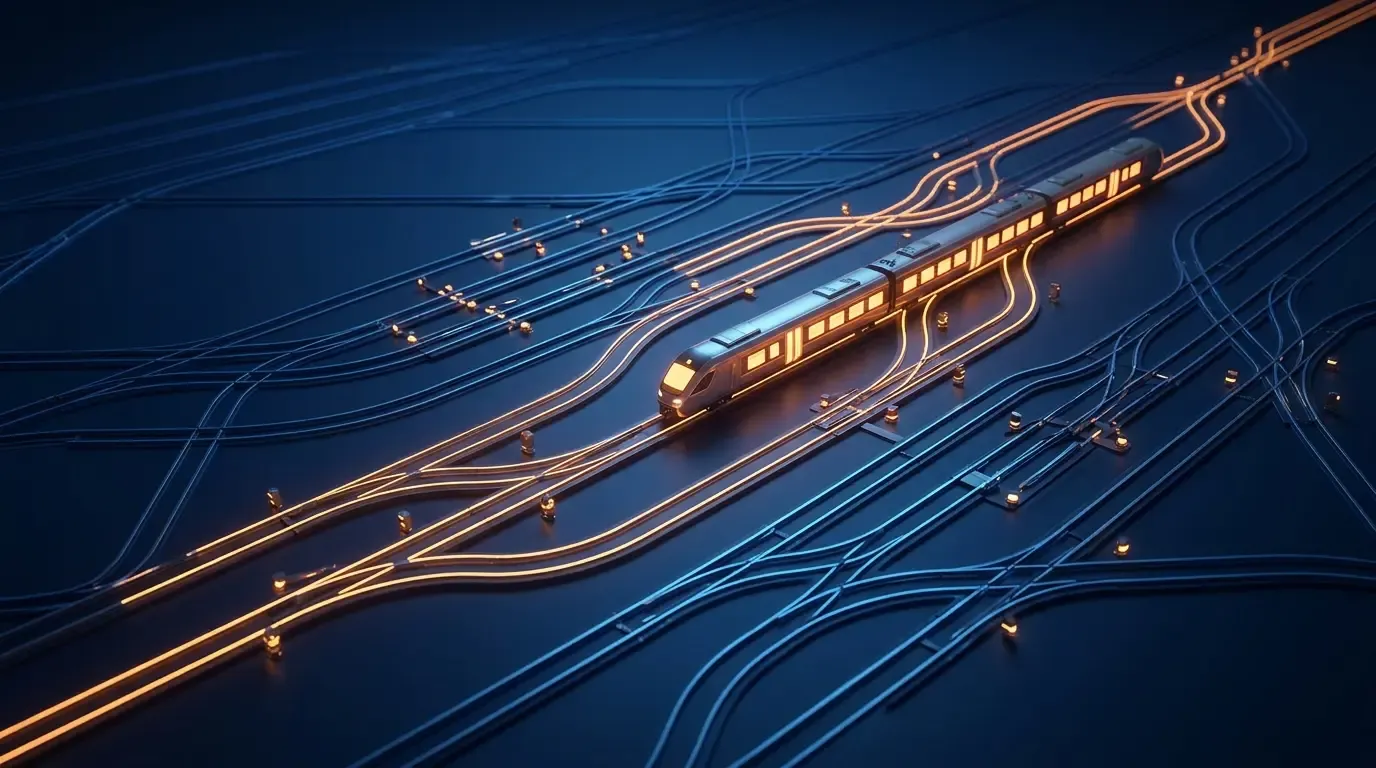
Learn how open signaling helps infrastructure managers reduce lifecycle costs, avoid vendor lock-in, and gain greater control of their signaling systems. This webinar explores how open standards, COTS-based architectures, and a competitive supplier ecosystem enable more flexible and sustainable railway signaling.

How can rail projects move beyond manual data preparation? In this webinar, we show how Signaling Design Automation and formal verification enable a more controlled, efficient, and verifiable approach to generating and validating application data.


